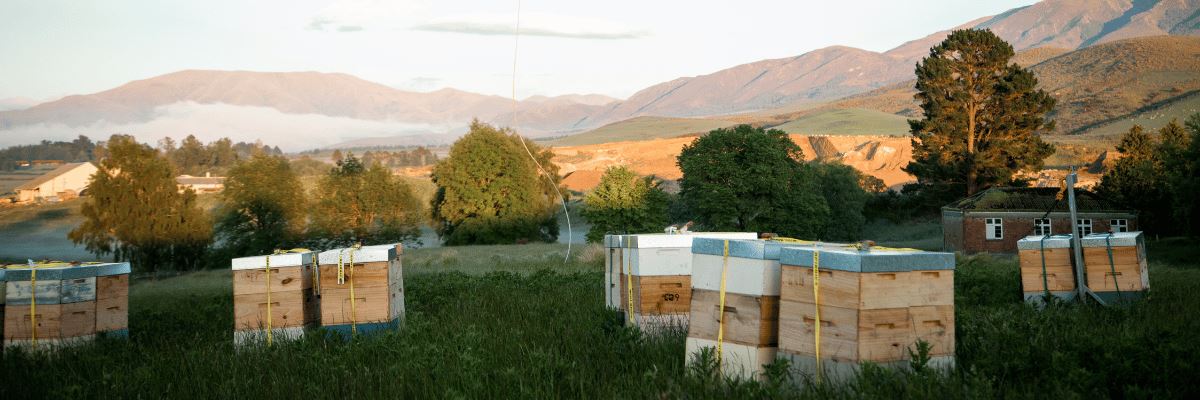
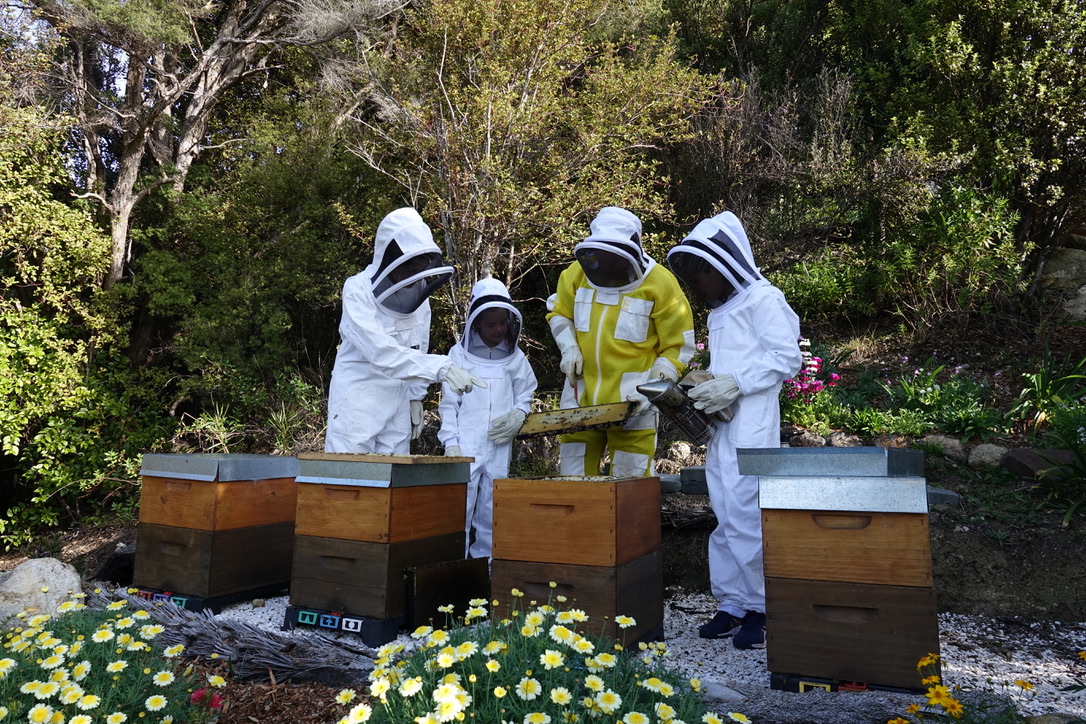
Sourcing authentic manuka honey in bulk requires expertise, connections, and a deep understanding of New Zealand’s regulatory landscape. Whether you’re a retailer, distributor, or international brand, this comprehensive guide will help you navigate the complexities of wholesale manuka honey procurement.
Understanding the Manuka Honey Market
The global manuka honey market is projected to reach $1.9 billion by 2028, driven by increasing awareness of its therapeutic properties. However, this growth has also led to widespread counterfeiting, making verified sourcing more critical than ever.
Key Market Challenges:
- Authenticity Verification: Up to 1,700 tonnes of “manuka honey” are sold globally, yet New Zealand only produces around 1,700 tonnes annually
- Price Volatility: Premium grades can fluctuate 30-40% based on seasonal harvests
- Regulatory Compliance: Each export market has specific labeling and certification requirements
The UMF vs MGO Rating Systems Explained
Understanding potency ratings is crucial for bulk purchasing decisions:
UMF (Unique Manuka Factor)
- Comprehensive testing system developed by the UMF Honey Association
- Tests for four key compounds: MGO, DHA, leptosperin, and HMF
- Ranges from UMF 5+ to UMF 25+
- Globally recognized standard
MGO (Methylglyoxal)
- Measures the concentration of the key active compound
- More straightforward single-compound measurement
- Popular in European and Asian markets
- Ranges from MGO 83+ to MGO 1200+
Conversion Chart for Bulk Buyers:
- UMF 5+ = MGO 83+
- UMF 10+ = MGO 263+
- UMF 15+ = MGO 514+
- UMF 20+ = MGO 829+
- UMF 25+ = MGO 1200+
Vetting Registered Manuka Producers (RMPs)
New Zealand’s MPI (Ministry for Primary Industries) maintains a registry of legitimate manuka honey producers. When sourcing bulk quantities, always verify:
Essential Credentials:
- MPI Registration Number: Every legitimate producer must be registered
- UMF License: For UMF-rated products, verify the license number
- Organic Certification: If claiming organic status, verify with recognized bodies
- Export Certificates: Ensure they can legally export to your target market
Production Capacity Verification:
- Request annual production records
- Verify hive locations and numbers
- Check harvest season capabilities
- Confirm packaging and storage facilities
Bulk Purchasing Strategies
Seasonal Timing:
Peak Harvest (December – February)
- Best pricing opportunities
- Highest inventory availability
- Fresh crop with optimal potency
Off-Season (June – September)
- Higher prices due to limited stock
- Focus on relationship building
- Plan for next season contracts
Contract Negotiation Tips:
- Lock in Multi-Year Agreements: Secure pricing and supply for 2-3 years
- Quality Guarantees: Include third-party testing requirements
- Force Majeure Clauses: Protect against weather-related shortfalls
- Payment Terms: Negotiate favorable terms for large volumes
Quality Assurance and Testing
Mandatory Testing for Bulk Purchases:
- Authenticity Testing: Pollen analysis and chemical markers
- Potency Verification: UMF/MGO level confirmation
- Contamination Screening: Pesticides, antibiotics, heavy metals
- Moisture Content: Ensures stability and shelf life
Recommended Testing Frequency:
- Every batch for new suppliers
- Quarterly for established relationships
- Random spot checks for ongoing orders
Logistics and Export Considerations
Documentation Requirements:
- Export certificates from MPI
- Health certificates for destination country
- Commercial invoices with proper HS codes
- Insurance documentation
Shipping Best Practices:
- Temperature-controlled containers (15-25°C)
- Humidity monitoring (max 18% moisture)
- Proper labeling for customs clearance
- Insurance coverage for high-value shipments
Working with Sourcing Agents
Professional sourcing agents can streamline the bulk purchasing process by:
- Leveraging Existing Relationships: Access to exclusive producer networks
- Managing Quality Control: Handling testing and verification processes
- Negotiating Better Terms: Volume-based pricing advantages
- Handling Logistics: End-to-end shipping coordination
Questions to Ask Potential Agents:
- How many RMPs do you work with directly?
- What’s your average turnaround time for bulk orders?
- Can you provide references from similar-sized clients?
- What quality guarantees do you offer?
Cost Optimization Strategies
Volume Discounts:
- 100-500kg: 5-10% discount potential
- 500kg-1 tonne: 10-15% discount potential
- 1+ tonnes: 15-25% discount potential
Payment Term Benefits:
- 30% deposit, 70% on delivery: Standard terms
- Full payment upfront: 3-5% additional discount
- Letter of credit: Preferred by many producers
Red Flags to Avoid
Warning Signs of Unreliable Suppliers:
- Prices significantly below market rates
- Reluctance to provide MPI registration details
- No facility inspection opportunities
- Limited or no testing documentation
- Pressure for immediate large orders
Building Long-Term Supplier Relationships
Successful bulk manuka honey sourcing requires cultivating relationships with reliable RMPs:
Relationship Building Strategies:
- Visit Facilities: Travel to New Zealand to meet producers personally
- Consistent Orders: Maintain regular purchasing patterns
- Fair Payment Terms: Build trust through reliable payments
- Mutual Growth: Help producers expand their capacity
Market Trends and Future Outlook
Emerging Opportunities:
- Mono-floral Manuka: Premium single-source varieties
- Sustainable Packaging: Eco-friendly bulk containers
- Trace Technology: Blockchain-based authenticity verification
- Medical Grade: Hospital and pharmaceutical applications
Price Projections:
Analysts predict continued price growth of 8-12% annually for premium grades, driven by limited supply and increasing global demand.
Conclusion
Successful bulk manuka honey sourcing requires expertise, relationships, and careful attention to quality verification. By working with registered producers, understanding rating systems, and implementing proper quality controls, buyers can secure authentic, high-quality manuka honey for their markets.
Whether you’re sourcing 100kg or container loads, the key is building relationships with verified RMPs and maintaining rigorous quality standards throughout the supply chain.
Looking to source bulk manuka honey? Our network of verified RMPs and expert sourcing agents can help you secure authentic, high-quality manuka honey at competitive prices. Contact us for a personalized quote.